
Gardening, hiking, and travel can leave your back and neck aching by midsummer. Manual osteopathy for summer pain is one of the most effective, evidence-informed ways to recover and move freely again.
Why Your Body Feels Different in Summer
There’s a reason so many people end up with a stiff back or a cranky shoulder once the warm weather hits. After months of a relatively predictable routine, summer asks the body to do more, more often, and in less familiar ways. Long stretches at a desk suddenly give way to hours spent bent over a garden bed, hauling patio furniture, or hiking uneven trails. Bodies that haven’t been conditioned for that kind of repetitive bending, lifting, and twisting tend to complain, sometimes right away, sometimes a day or two later.
This isn’t a sign that something is fundamentally wrong. It’s usually a sign that muscles, joints, and connective tissue are being asked to move in ranges they haven’t practiced in a while. The good news is that most of these seasonal aches respond well to hands-on care and a few practical adjustments.
Gardening and Yard Work: A Sneaky Source of Strain
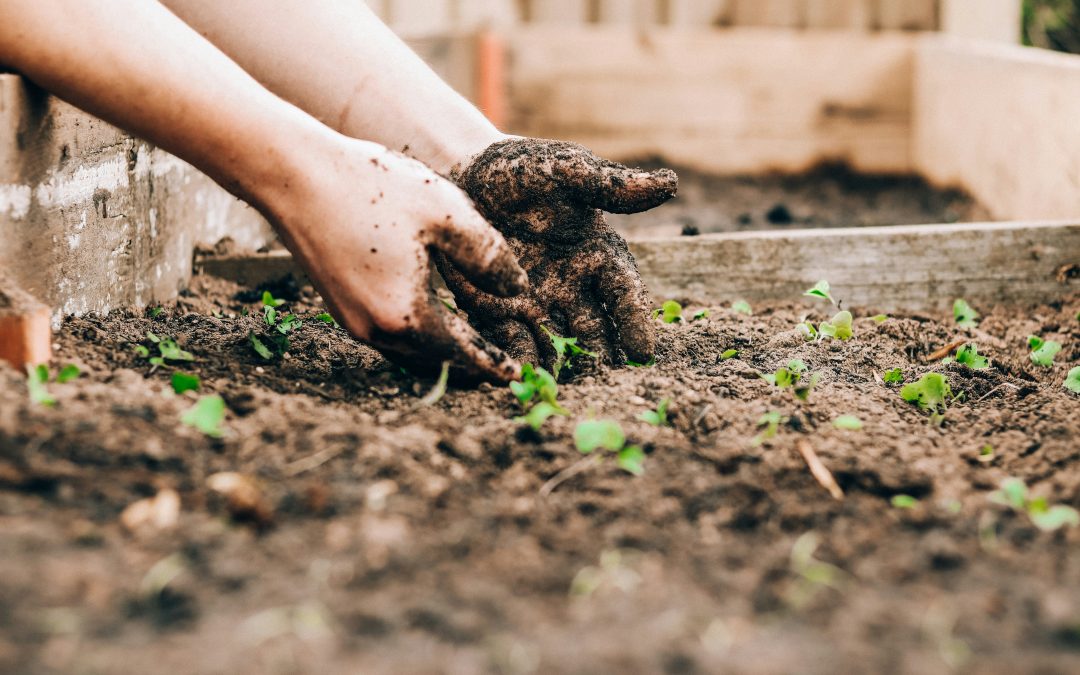
Gardening looks gentle from the outside, but it’s deceptively demanding on the body. Kneeling, squatting, twisting to reach a weed, and repeatedly bending forward all place sustained load on the low back, hips, and knees, often for an hour or more without a break. Add in lifting bags of soil or mulch, and it’s easy to see why low back pain is one of the most common warm-weather complaints.
A few small habits can make a real difference: switching positions every 15 to 20 minutes, using a kneeling pad instead of crouching, and lifting with the knees rather than the low back. But when strain has already set in, that’s where manual osteopathic treatment can help by addressing the compensations the body has built up around the original irritation, not just the sore spot itself.
Hiking, Travel, and the Aches That Follow
Hiking, road trips, and flights bring their own patterns of strain. A long day on the trail can leave hips and knees feeling stiff from repetitive impact on uneven ground, especially if footwear or a poorly fitted backpack throws off normal alignment. Long drives or flights create the opposite problem: hours of stillness that let the hips, low back, and neck stiffen up, so the first steps out of the car or off the plane can feel surprisingly rough.
Both scenarios share a common thread. The body adapts to whatever position or movement pattern it’s held in most recently, and that adaptation doesn’t always reverse on its own. This is where an osteopathic approach is useful, since treatment looks at how the whole body, feet, hips, spine, and shoulders, is working together, rather than focusing on a single point of pain in isolation.
Manual Osteopathy for Summer Pain: What Treatment Involves
For anyone who hasn’t experienced manual osteopathy before, a first appointment typically runs 45 minutes to an hour and starts with a conversation about symptoms, activity level, and general health history. From there, the practitioner does a hands-on assessment of joint mobility, posture, and movement patterns, often asking for a few simple movements to see how the body is compensating.
Treatment itself uses gentle, hands-on techniques, soft tissue work, joint mobilization, and stretching, aimed at restoring balance and easing the compensations that build up around strained or irritated areas. It’s generally not painful, though it’s common to feel a bit sore or stiff for a day or two afterward, similar to the feeling after a good workout. Follow-up sessions are usually shorter, around 30 minutes, and often come with simple movement or ergonomic advice to carry into daily life, gardening posture included.
What the Evidence Says, and When to Seek Care
Manual and osteopathic therapies have a reasonable body of research behind them, particularly for non-specific low back and neck pain. Systematic reviews have found that osteopathic treatment can meaningfully improve pain and function for several months in people with chronic low back pain, and that serious adverse events are rare, making it a generally safe option for many people. That said, the certainty of this evidence is still considered low to moderate, and researchers note that some of the benefit may include a placebo component when compared with sham treatment, so it’s fair to think of manual osteopathy as one helpful tool among several rather than a guaranteed fix.
As for timing, it’s worth checking in with a practitioner if an ache lingers more than a week or two, if it’s limiting normal activity, or if it followed a specific strain, like a heavy lift or an awkward step on the trail. Sudden, severe pain, numbness, tingling that spreads down an arm or leg, or pain following a significant injury warrants a conversation with a physician first, since manual therapy is a complement to medical care, not a replacement for it.
Summer should feel like a season of movement, not a season of managing a sore back. If gardening, hiking, or travel have left you stiffer than you’d like, a manual osteopathy session can help identify what’s actually driving the discomfort and get you back to enjoying the season. Book a session at Kurated Care to take the first step toward moving more freely this summer.