
If your headaches seem to start in your neck and shoulders and creep up behind your eyes, you are far from alone. Tension-type headaches are the most common headache type worldwide, and many people look for hands-on care to ease them. Here is what is known about massage therapy for tension headaches, and what to expect from a session.
What Are Tension-Type Headaches?
Tension-type headaches usually feel like a dull, steady pressure or tightness on both sides of the head, often described as a band wrapped around the forehead. They tend to be milder than migraine and typically do not come with the nausea or light sensitivity that migraine brings. They can last from thirty minutes to several days.
The exact cause is not fully understood. Stress, poor sleep, long hours at a screen, jaw clenching and sustained awkward postures are common triggers, and many people also notice tender, tight muscles in the neck, upper shoulders and base of the skull. Whether that muscle tension causes the headache or is part of the same process is still debated, which is one reason a whole-person approach tends to work best.
What Does the Research Say About Massage?
The research is encouraging but not conclusive. Several small clinical trials and reviews of manual therapies have found that massage focused on the neck and shoulders may reduce how often tension-type headaches occur, and in some studies how intense they feel. However, many of these studies are small, and the quality of the evidence is generally described as low to moderate. Results also vary from person to person.
The honest takeaway is that massage therapy is a reasonable, low-risk option to try, particularly alongside other strategies such as stress management, regular movement and good sleep. It is best seen as one part of a plan rather than a guaranteed fix. If you are interested in how this fits with other options, our page on massage therapy for headaches, migraines and TMJ explains how we approach it in Kingston.
What Happens in a Massage Session for Headaches?
A first visit with a Registered Massage Therapist starts with a conversation. Expect questions about when your headaches began, how often they occur, what seems to trigger them and what has or has not helped. Your therapist will also ask about your work setup, sleep, stress and any jaw tightness.
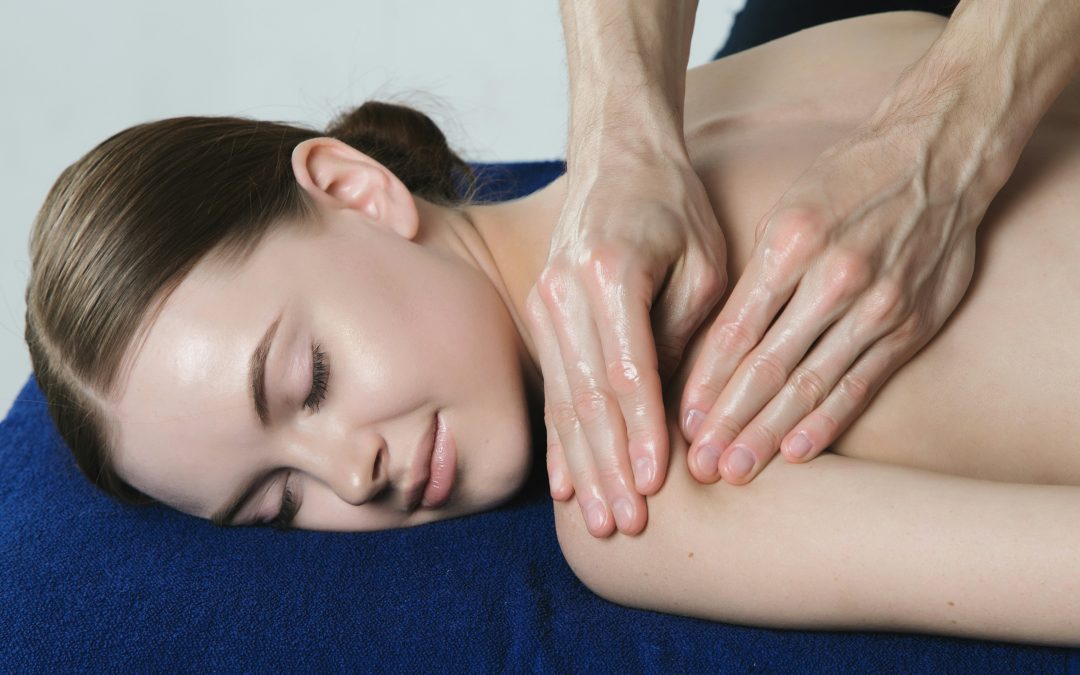
Treatment usually focuses on the neck, shoulders, upper back, scalp and jaw. Techniques may include gentle to moderate pressure through the muscles at the base of the skull, work on tender spots in the shoulders and upper back, and relaxing scalp and jaw massage. Pressure is always adjusted to your comfort, and you can ask to slow down or change anything at any point. Many people start with sessions every one to two weeks, then space them out as symptoms settle.
Simple Habits to Support You Between Sessions
Small daily habits can complement hands-on care:
- Take a short break from your screen every 30 to 60 minutes, and roll your shoulders back and gently stretch your neck.
- Check your screen height so your eyes land near the top third of the monitor, with your ears roughly over your shoulders.
- Notice jaw clenching during the day and let your teeth rest slightly apart.
- Drink water regularly and keep meals and sleep as consistent as you can.
- Apply gentle warmth to tight areas of the neck and shoulders.
- Keep a simple headache diary to spot patterns in triggers.
Because every person’s headache pattern is different, it can help to think of your first few sessions as a way to learn what works for you. Share what you notice afterwards, such as how your neck feels, how you sleep and whether headaches change in frequency, so your therapist can adjust the plan over time.
When to See a Doctor
Massage therapy is a complement to medical care, not a replacement for it. Please see a doctor promptly if you have a sudden, severe headache unlike any you have had before, a headache with fever, stiff neck, confusion or vision changes, a headache after a head injury, or any headache pattern that changes or keeps getting worse. If your headaches are frequent, it is also worth talking with your doctor about the bigger picture.
If tight muscles and recurring headaches are getting in the way of your days, we would be glad to help. Contact our Kingston team to book a session and we will find the right fit for you.