
Lymphatic drainage massage is everywhere on social media right now. Here’s what it can, and can’t, realistically do for you.
What Lymphatic Drainage Massage Actually Is
Manual lymphatic drainage (MLD) is a gentle, rhythmic form of massage developed decades ago to support the lymphatic system, the network of vessels and nodes that quietly drains excess fluid, waste products, and immune cells out of your tissues. Unlike deep tissue or sports massage, MLD uses very light, slow, sweeping strokes. The lymphatic vessels sit just under the skin, so pressure that’s too firm can actually work against the technique rather than help it.
The goal is to encourage sluggish lymph fluid to move toward healthy lymph nodes, where it can be filtered and returned to circulation. It’s a specialized skill that a trained registered massage therapist learns on top of standard massage training, since the technique and pressure are quite different from a typical relaxation or therapeutic massage.
What the Evidence Actually Supports
This is where it’s worth separating clinical research from social media claims. The strongest evidence for MLD exists in a medical context: as part of complex decongestive therapy for lymphedema, the chronic swelling that can develop after lymph node removal or damage, most commonly following cancer treatment. In that setting, MLD is typically combined with compression bandaging, targeted exercise, and skin care, and it’s this whole package, not massage alone, that has the best track record.
There’s also a growing body of research looking at MLD in the postpartum period, particularly for perineal swelling after childbirth and for breast engorgement in the early weeks of breastfeeding. Early studies are promising, though researchers are still working out exactly how much benefit comes from the massage itself versus other supportive care happening alongside it. It’s a good example of a traditional technique catching up to formal clinical study.
Outside of these more specific medical applications, the research is thinner. Reviews of MLD for general lymphedema prevention and management have found inconsistent results between studies, which is a reminder that “some evidence exists” and “settled science” are two very different things.
Where the Wellness Hype Gets Ahead of the Science
Scroll through enough wellness content and you’ll see lymphatic drainage massage described as a full-body detox, a cellulite cure, or a fast track to weight loss. None of that holds up well under scrutiny. Your liver and kidneys, not a massage, do the heavy lifting of filtering waste from your body. Lymphatic massage can temporarily reduce the appearance of puffiness by shifting fluid, but it isn’t removing toxins your organs weren’t already handling, and any change in the look of cellulite is modest and short-lived rather than a lasting fix.
The weight loss claim is similarly overstated. Any number on the scale after a session reflects fluid shifts, not fat loss. None of this means the massage is pointless, it just means the honest benefits (temporary reduction in puffiness and fluid retention, a very relaxing session, and genuine support for specific medical situations) are different from what a viral video might promise.
What to Expect in a Session
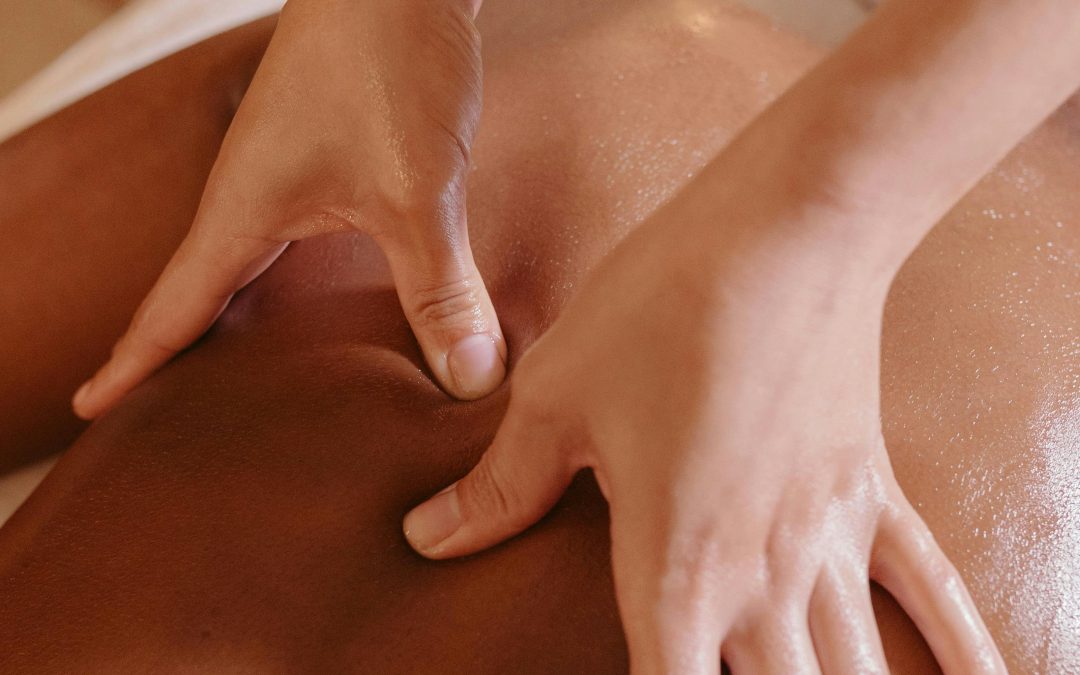
A typical lymphatic drainage session is slower and lighter than most people expect from massage. Your therapist will use gentle, rhythmic pumping and stretching motions, usually starting near the neck and collarbone, where major lymph nodes sit, before working outward toward the area of concern. There’s no deep kneading or intense pressure involved, and many clients find the sensation closer to a light, repetitive stroking than what they’d picture as “real” massage work.
Sessions are often recommended in a short series rather than as a single visit, particularly when the goal is managing swelling from a specific cause like recent surgery, an injury, or the postpartum period. Your therapist will also ask about your health history first, since MLD isn’t appropriate for everyone, including people with certain heart conditions, active infections, or blood clots, so a proper intake matters as much as the technique itself.
Is It Right for You?
Lymphatic drainage massage tends to be most useful when there’s a clear reason for fluid buildup: recovery after surgery or injury, the postpartum period, or as part of a broader medical plan for lymphedema under the guidance of your care team. It’s this last category where many new parents are searching for support right now, since swelling in the days and weeks after delivery is common and can feel discouraging even when it’s a normal part of recovery. Our Prenatal & Postpartum Massage Therapy services are built around exactly this kind of support, tailored to what your body actually needs at each stage.
If you’re dealing with persistent or one-sided swelling, it’s always worth having that checked by a physician first, since it can occasionally signal something that needs medical attention rather than massage. But for everyday puffiness, post-surgical or postpartum swelling, or simply a gentler style of bodywork, lymphatic drainage massage can be a genuinely relaxing and evidence-supported addition to your care.
If you’re curious whether it’s a good fit for what you’re experiencing, our registered massage therapists are happy to talk it through with you. You can book a session to get started.