
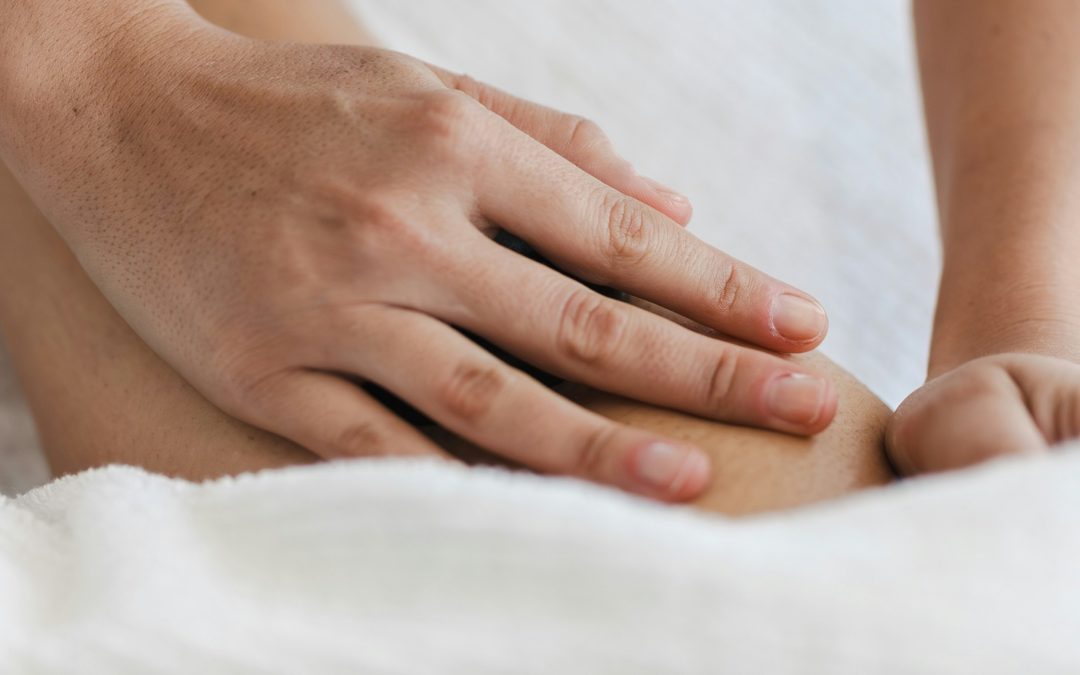
Lymphatic drainage massage promises detox, a flatter stomach, and glowing skin online. Here’s what the research actually supports.
If you’ve spent any time on TikTok or Instagram lately, you’ve probably seen a lymphatic drainage massage video: a practitioner sweeping their hands along someone’s neck, stomach, or face in soft, rhythmic strokes, captioned with promises of “flushing toxins,” “de-bloating,” or sculpting a more contoured jawline overnight. It’s become one of the most talked-about wellness trends of the past couple of years, and it’s easy to see the appeal. But as an evidence-based clinic, we think you deserve the real story: what this technique actually does, where the online claims outpace the science, and who genuinely benefits from it.
What Manual Lymphatic Drainage Actually Is
Manual lymphatic drainage (MLD) is a light-touch massage technique developed decades ago to support the lymphatic system, the network of vessels and nodes that moves lymph fluid through the body and plays a role in immune function and fluid balance. Unlike deep tissue massage, MLD uses very gentle, rhythmic, directional strokes designed to encourage lymph fluid to move toward the nodes that filter it. It was originally developed for clinical use, particularly to help manage lymphedema, the swelling that can develop when the lymphatic system is damaged or overwhelmed, most often after cancer surgery involving lymph node removal.
Where the Online Trend Overreaches
Here’s where the science and the social media version of this treatment start to diverge. Claims that lymphatic drainage massage “detoxes” the body, melts fat, cures digestive disorders, or permanently sculpts the face aren’t backed by credible research. Your liver and kidneys are the organs actually responsible for filtering waste from your body, and there’s no reliable evidence that manual lymphatic techniques accelerate that process. Any change in the mirror after a session, a slimmer-looking stomach or a more defined jawline, is typically a temporary shift in fluid distribution, not a change in fat or toxin load. That effect can look and feel great, but it’s worth knowing what’s actually happening under the skin so you can set realistic expectations.
What the Evidence Does Support
None of this means the technique is without merit, it just means the benefits are more modest and specific than the trend suggests. Systematic reviews of manual lymphatic drainage have found genuine, meaningful benefit in one well-studied area: helping manage lymphedema, particularly in the early stages following breast cancer treatment, where it may help slow or reduce swelling when used alongside other therapies like compression. Outside of clinical lymphedema care, many people also find that lymphatic-style massage helps ease the puffiness and heaviness that come from ordinary fluid retention, whether that’s from hormonal shifts, a long-haul flight, or a day spent mostly sitting, especially when it’s paired with movement, hydration, and deep breathing. And like most massage, it’s genuinely relaxing, which has its own real value for stress and nervous system regulation, even when the more dramatic “detox” claims don’t hold up.
Who Should Be Cautious
Because MLD works directly with fluid movement in the body, it isn’t the right fit for everyone. It’s generally best to avoid this technique, or to check with your doctor first, if you have an active infection, a blood clot or history of deep vein thrombosis, untreated heart failure, kidney disease, or certain types of cancer where lymph node involvement is a concern. If you’re managing a diagnosed medical condition and are curious whether lymphatic work is appropriate for you, that conversation is worth having with your healthcare provider before booking a session.
Getting It Done Right
The biggest difference between a video you scroll past and a session that’s actually worth your time is who’s doing the work. A registered massage therapist trained in manual lymphatic drainage understands the anatomy of the lymphatic system, adjusts pressure and direction appropriately, and knows when a client’s history calls for extra caution or a doctor’s clearance first. That clinical training is exactly what separates a technique with real, evidence-supported uses from a trend performed for the camera. If you’re dealing with persistent fluid retention, post-surgical swelling, or you’re simply curious whether this style of bodywork could fit into your care, our registered massage therapists can talk through whether it’s a good match for what’s actually going on in your body, rather than what’s trending this week.
Curious whether lymphatic drainage massage makes sense for you, or just ready for a session that leaves you feeling lighter and less puffy for real reasons? Book an appointment at kurated.ca and let’s build a plan around what your body actually needs.