
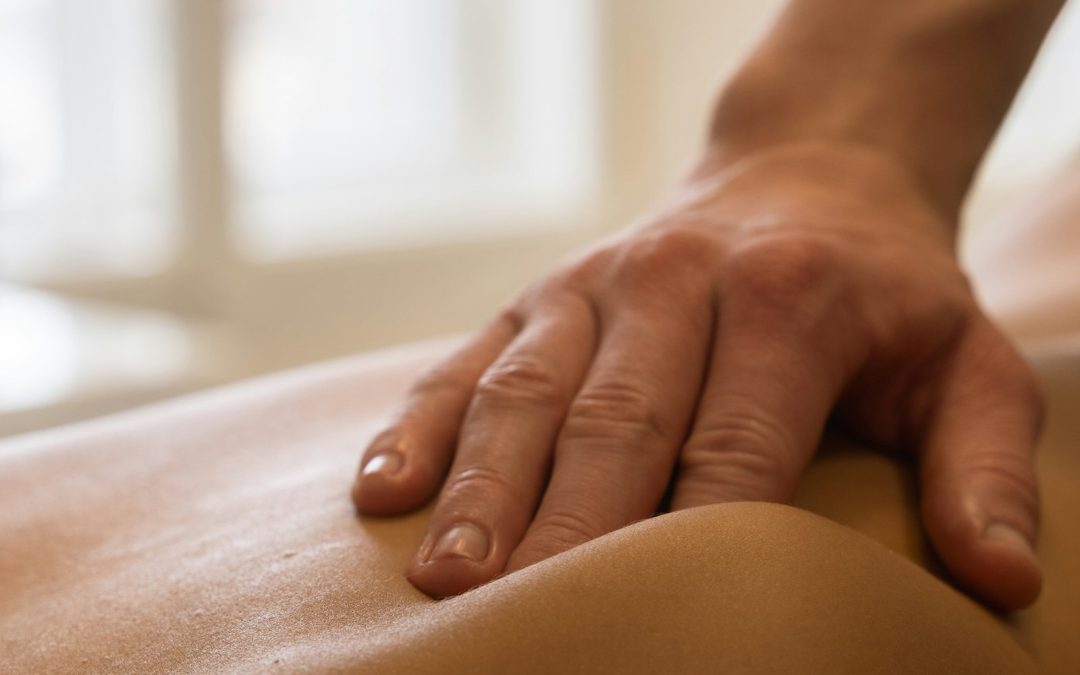
Feeling wound up as the year winds down? Here’s how massage for stress works, what the research says, and how to get the most from a session.
December is joyful, but it can also be a lot. Shopping lists, year-end deadlines, travel plans and shorter days all add up. Many people notice the strain in their bodies first: tight shoulders, a clenched jaw, shallow breathing or restless sleep.
That’s where massage for stress can help. It won’t make your to-do list shorter. However, it can give your nervous system a real chance to settle, and that often makes everything else feel more manageable.
How Stress Shows Up in the Body
Stress isn’t only in your head. When you feel under pressure, your body shifts into a more alert, fight-or-flight state. Your heart rate rises, your breathing quickens and your muscles brace for action.
In short bursts, this response is helpful. The trouble starts when it never fully switches off. Over time, many people notice:
- Neck, shoulder and upper back tension
- Tension headaches or jaw clenching
- Trouble falling asleep or staying asleep
- Feeling tired but wired
- Shallow, chest-level breathing
What the Research Says About Massage for Stress
Research on massage for stress is encouraging, though not perfect. Studies have linked massage with short-term drops in perceived stress and anxiety, and with feeling more relaxed afterwards. Some studies also report small changes in heart rate and blood pressure after a session. Mayo Clinic’s overview of massage describes it as a helpful complement to regular health care for stress-related tension.
That said, many studies are small, and results vary from person to person. Massage works best as one part of a wider plan. That plan should include sleep, movement and support for the things causing stress in the first place.
What a Relaxation Session Looks Like
Your Registered Massage Therapist will start by asking about your health history, where you hold tension and what you’d like from the session. Together, you’ll choose an approach that feels right.
A relaxation-focused treatment often includes:
- Slow, rhythmic strokes to help your body shift out of alert mode
- Moderate pressure, adjusted to your comfort at every stage
- Focused work on the neck, shoulders, back and scalp
- Gentle cues to slow and deepen your breathing
You’re always in control. You can ask for lighter or firmer pressure, skip an area, or pause at any time. If headaches or jaw tension are part of your stress pattern, see our page on massage therapy for headaches, migraines and TMJ.
Getting the Most From Massage for Stress
A few simple habits can stretch the benefits beyond the treatment room:
- Book ahead: schedule your session before the busiest week, not after it.
- Arrive a few minutes early: rushing in keeps your body on high alert.
- Rest afterwards: drink some water and plan a quiet evening if you can.
- Keep it regular: for ongoing stress, regular sessions tend to help more than a one-off visit.
Calming Habits to Pair With Massage for Stress
Between appointments, a few low-effort habits can help your body step out of high-alert mode. None of them take long. They also work best when you practise them regularly, rather than only in a crisis.
- Slow your exhale: breathe in through your nose for a count of four, then out for a count of six. Repeat for one or two minutes.
- Warm your muscles: a warm shower, bath or heating pad can ease shoulder and neck tension before bed.
- Try a quick self-massage: gently knead the tops of your shoulders, or press your fingertips in slow circles along the base of your skull.
- Move a little: a ten-minute walk outdoors, especially in daylight, can lift your mood and loosen stiff muscles.
- Protect your sleep: keep a steady bedtime, dim screens an hour before bed, and keep your room cool and dark.
- Say no to one thing: during busy seasons, dropping a single commitment can free up more energy than any routine.
Think of these as small deposits into your energy bank. Over a few weeks they add up, and they help the benefits of each massage last longer.
When Stress Needs More Support
Massage is a lovely tool, but it isn’t a treatment for anxiety disorders or depression. If stress is affecting your sleep, mood, work or relationships for weeks at a time, please reach out for more support. Talking with a psychotherapist can help you understand what’s driving the stress. It can also help you build tools that last.
If you ever feel unsafe or in crisis, call or text 9-8-8 any time.
At KūRated Care Collaborative, our practitioners work together. Alongside massage therapy, our psychotherapists offer support for stress and burnout, and our naturopathic doctors can look at sleep, nutrition and energy. You can meet our team to find the right fit.
Ready for a reset before the holidays? Contact us to book a massage therapy appointment in Kingston.