
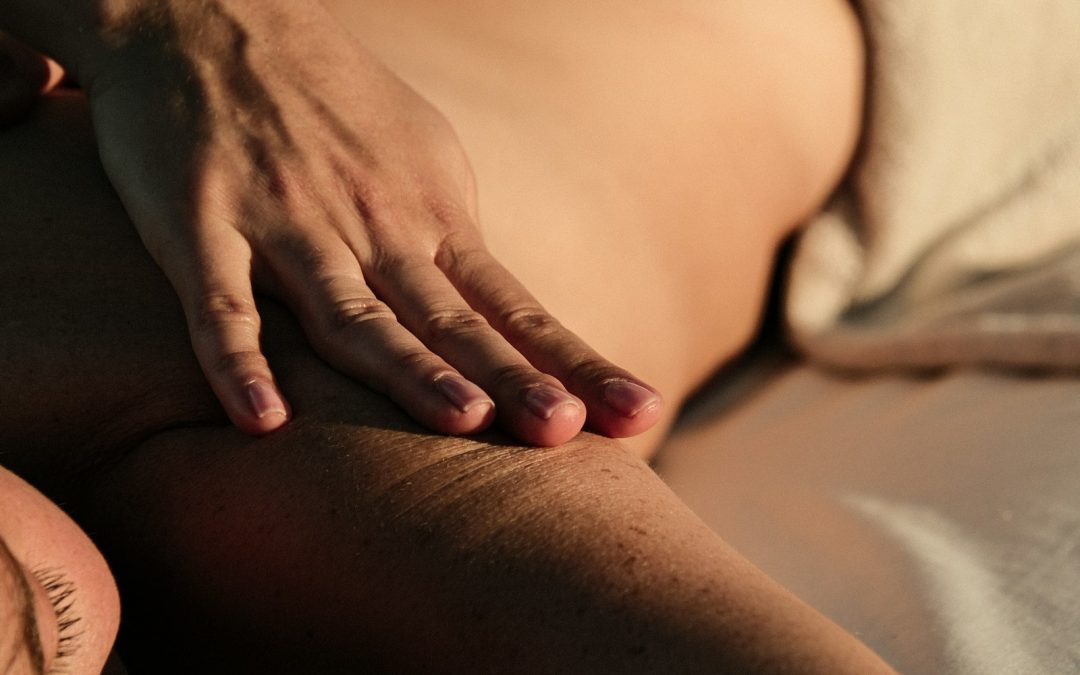
Cold weather stiffness is common in winter. Learn why muscles tighten when it’s cold and how massage therapy can help ease winter aches.
If you’ve ever woken up on a frosty Kingston morning feeling like your whole body needs to “warm up” before it cooperates, you’re not imagining it. Cold weather stiffness is one of the most common complaints we hear once November arrives. The good news is that there’s a lot you can do about it, and massage therapy can be one helpful part of the picture.
Why Muscles Feel Stiffer When It’s Cold
Researchers are still sorting out exactly how weather affects pain, and the findings are mixed. Some large studies have found small links between pain and changes in humidity, air pressure or temperature, while others have found little or no connection for certain conditions like low back pain. What most experts agree on is that people’s experiences vary, and that several everyday factors likely play a role.
Here are a few of the most likely contributors:
- Muscle guarding in the cold: When you’re chilly, your body tenses up to conserve heat. Hunched shoulders and a clenched jaw on the walk to the car can leave muscles feeling tight for hours.
- Less movement: Shorter days and icy sidewalks mean many of us walk less, stretch less and sit more. Muscles and joints tend to feel stiffer when they aren’t moved regularly.
- Changes in circulation: In the cold, blood flow to the hands, feet and skin is reduced to keep your core warm, which can make tissues feel less supple.
- Seasonal tasks: Snow shovelling, scraping windshields and carrying heavy winter gear put new demands on the back, shoulders and arms.
- Stress and sleep: The busy holiday season and darker evenings can affect sleep and stress levels, both of which can influence how sensitive we are to aches and pains.
How Massage Therapy Can Help With Winter Aches
Massage therapy isn’t a cure for cold weather, but it can be a supportive way to ease the muscle tension that often comes with it. Research reviews suggest that massage can offer short-term relief for some types of muscle and joint discomfort, including non-specific neck and low back pain, and many people find it helps them feel less tense and more relaxed.
During a session, a Registered Massage Therapist (RMT) may use a range of techniques depending on your needs and comfort level, such as:
- Gentle Swedish techniques to warm up tissues and encourage relaxation
- Focused work on commonly tight areas like the neck, upper back, hips and low back
- Myofascial techniques to address areas that feel restricted
- Suggestions for simple stretches or movement you can do at home between visits
Many people also find that the warmth of the treatment room and the calming effect of hands-on care help them unwind, which can make a real difference during a stressful time of year. If stiffness in your neck or back is a recurring issue, you can learn more about our approach to massage therapy for chronic back and neck pain.
Simple Ways to Stay Loose This Winter
Massage works best alongside healthy daily habits. A few practical ideas that can help you feel less stiff through the colder months:
- Dress in layers: Keeping your neck, shoulders and lower back warm outdoors can reduce the urge to tense up against the cold.
- Warm up before chores: A few minutes of marching on the spot, arm circles and gentle trunk rotations before shovelling can help your body prepare for the work.
- Keep moving indoors: Short walks around the house, a stretching break every hour at your desk or a home workout video can help keep joints and muscles comfortable.
- Try gentle heat: A warm shower, bath or heating pad (used safely and not while sleeping) can help tight muscles relax.
- Stay hydrated: We often drink less water in winter, but staying hydrated supports overall wellbeing, including how your body feels day to day.
- Prioritize sleep: Aiming for consistent sleep and wake times can help your body recover and may make aches feel less bothersome.
When to Check In With a Health Care Provider
Most seasonal stiffness is mild and eases with movement and warmth. However, it’s a good idea to speak with your doctor or another qualified health care provider if you notice pain that is severe or getting worse, swelling, redness or warmth around a joint, numbness or tingling, stiffness that lasts for more than an hour every morning, or pain after a fall or injury. These signs may point to something that needs a proper assessment.
If you’re living with a condition such as arthritis or a chronic pain condition, let your RMT know before your session. Massage can often be adapted to your needs, and your therapist can work alongside your other providers to support your overall care plan.
Finding the Right Support in Kingston
At Kurated, our Registered Massage Therapy services are designed to meet you where you are, whether you’re dealing with occasional winter tightness or ongoing muscle tension. Our team of RMTs and other practitioners takes the time to understand your goals and tailor each session to how your body is feeling that day.
Cold weather doesn’t have to mean months of feeling stiff and sore. With a little extra movement, warmth and the right hands-on support, you can move through the season feeling more comfortable.
Ready to feel more at ease this winter? Contact us to book a massage therapy appointment and let our team help you stay loose and comfortable all season long.