
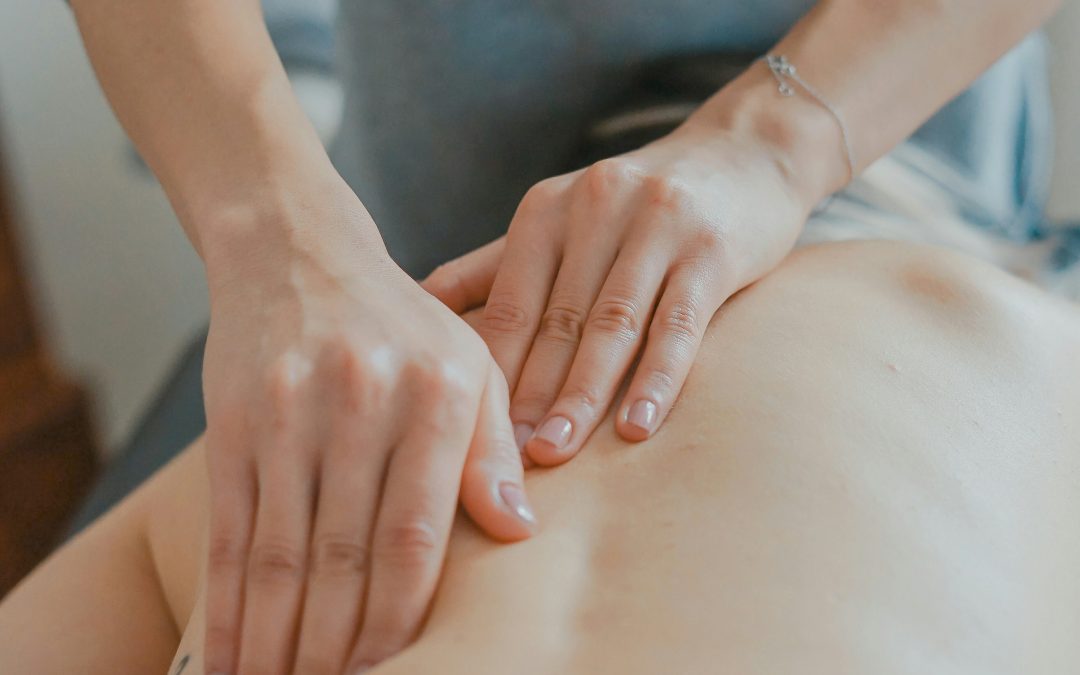
Between the aching lower back, swollen ankles, and the general strangeness of a changing centre of gravity, pregnancy asks a lot of your body — and it’s fair to wonder whether massage is a safe way to find some relief. The short answer, for most healthy pregnancies past the first trimester, is yes. Here’s what the evidence actually says about prenatal massage: what it can help with, what to know about timing and safety, and what an actual session looks like.
Why Prenatal Massage Is Different From a Regular Massage
Prenatal massage isn’t simply a standard massage adapted for a bigger belly. Side-lying positioning (rather than face-down on a table), the exclusion of certain deep pressure points, and a therapist trained specifically in pregnancy-safe technique are all part of what separates it from a typical relaxation or deep tissue session. A therapist trained in prenatal and postpartum massage therapy will also adjust pressure and positioning as your pregnancy progresses, since what feels good — and what’s appropriate — shifts considerably between the second and third trimester.
This isn’t just a comfort preference. Positioning and pressure choices in prenatal massage are made with circulation, joint laxity (which increases due to the hormone relaxin), and overall safety in mind, not just relaxation.
What the Evidence Actually Shows
Research on prenatal massage points to some genuinely encouraging findings, particularly around stress and mood. Several studies have found that regular massage during pregnancy is associated with lower levels of stress hormones like cortisol and norepinephrine, alongside increases in mood-supporting chemicals like serotonin and dopamine. Participants in some trials receiving regular massage over several weeks reported better sleep and less anxiety, and some research has linked consistent prenatal massage to fewer reported complications and improved newborn outcomes, though this is an area where more large-scale research would strengthen the picture.
Beyond mood, prenatal massage is commonly used to address the very physical discomforts of pregnancy: low back and hip pain, leg swelling, tension through the upper back and shoulders as posture shifts, and the sleep disruption that so often comes with a growing belly. None of this makes massage a substitute for medical care during pregnancy, but as one part of a broader prenatal wellness routine, the evidence for symptom relief and stress reduction is reasonably solid.
Is It Safe? What to Know by Trimester
For most healthy, low-risk pregnancies, massage is considered both safe and beneficial in the second and third trimesters, which is also when many of the classic pregnancy discomforts — back pain, swelling, sleep trouble — tend to intensify. Many practitioners take a more cautious approach in the first trimester, given the higher baseline rate of early pregnancy loss in general and a preference to avoid attributing any unrelated symptom to the massage itself, though this is a conversation worth having directly with your therapist and your prenatal care provider.
Certain conditions call for extra caution or a direct conversation with your doctor before booking, including high-risk pregnancies, preeclampsia, a history of preterm labour, or blood clot risk. A qualified prenatal massage therapist will ask about these factors before your first session and adjust or decline treatment if something needs medical clearance first. This is exactly why choosing a therapist with specific prenatal training matters more here than it might for a typical massage.
What a Session Actually Involves
A prenatal massage session usually runs 45 to 60 minutes and takes place with you side-lying, supported by pillows or a specially designed cushioning system, rather than face-down. Pressure is generally moderate rather than deep, particularly through the legs, where more caution is used due to pregnancy’s effect on circulation and clotting risk. Most therapists will check in throughout about positioning and pressure, since comfort needs can shift even within a single session as your body changes week to week.
Many people find that a short course of regular sessions — every few weeks through the second and third trimester — offers more noticeable relief than a single one-off visit, particularly for chronic areas of tension like the lower back and hips.
If you’re navigating the aches, restlessness, or stress of pregnancy and want to know whether prenatal massage is a good fit for where you’re at, book a session at Kurated and we’ll talk through what makes sense for your stage of pregnancy.