
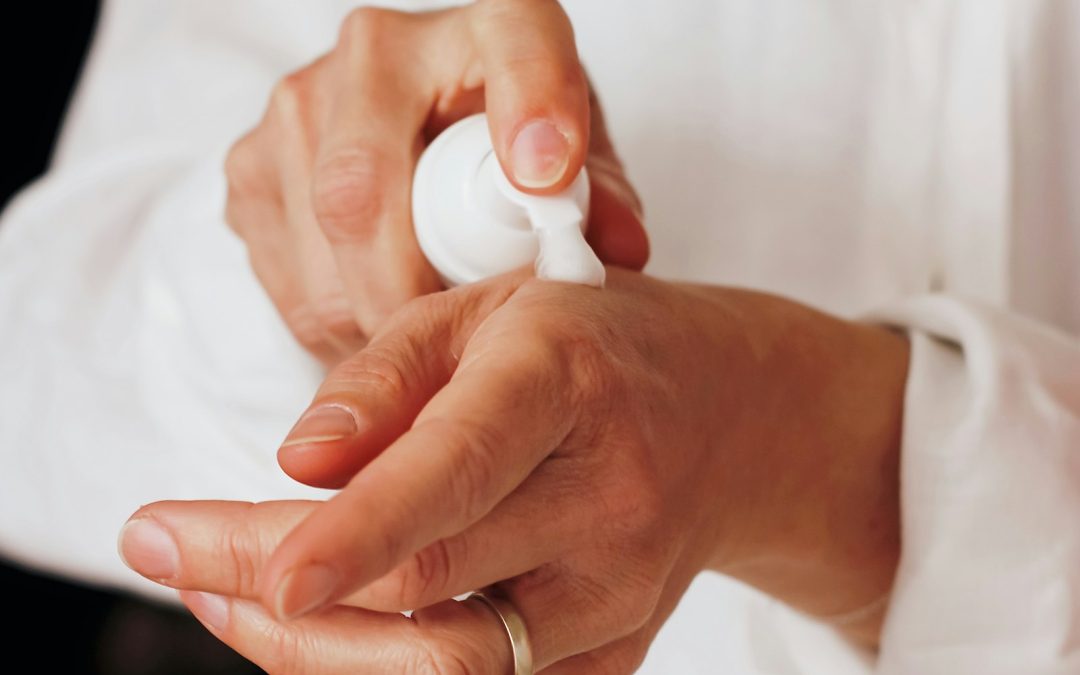
Dry winter skin is more than a cosmetic nuisance. Here’s why cold months leave skin tight and itchy, and the evidence-based habits that help it recover.
If you live in Kingston, you know the pattern. The furnace kicks on, the wind picks up off the lake, and within a few weeks your hands feel rough, your shins start to itch, and your lips seem permanently chapped. For people who already live with eczema, November can mark the start of flare season. The good news is that a few consistent, well-studied habits can make a real difference, and a whole-person approach can help you look at the factors that sit underneath the surface.
Why Winter Is So Hard on Your Skin
Your skin’s outermost layer works like a brick wall. Skin cells are the bricks, and a blend of fats, including ceramides, cholesterol and fatty acids, acts as the mortar. When that barrier is intact, it holds water in and keeps irritants out.
Cold outdoor air holds very little moisture, and indoor heating dries the air even further. Research on skin physiology consistently shows that low humidity increases the amount of water lost through the skin and makes the barrier more reactive. Add long hot showers, harsh soaps and wool layers rubbing against already stressed skin, and it’s easy to see why so many people feel itchy and flaky by midwinter.
For people with atopic dermatitis (eczema), the barrier is already more vulnerable, so these seasonal stressors can tip mild symptoms into a noticeable flare.
Daily Habits That Protect Your Skin Barrier
The most reliable winter skin care isn’t complicated or expensive. Dermatology guidelines for dry skin and eczema keep returning to the same fundamentals:
- Keep showers short and lukewarm. Hot water strips the natural oils that hold moisture in. Aim for five to ten minutes.
- Moisturize within a few minutes of bathing. Pat skin mostly dry, then apply a moisturizer while it is still slightly damp to help lock in water.
- Choose thicker products in winter. Ointments and creams generally protect better than thin lotions. Look for fragrance-free options; ingredients such as ceramides, glycerin and petrolatum are well supported.
- Use gentle cleansers. A mild, fragrance-free cleanser used only where you need it is easier on the barrier than foaming bar soap all over.
- Run a humidifier. Keeping indoor humidity around 30 to 50 percent, especially in the bedroom, can ease dryness. Clean it regularly to prevent mould.
- Protect your hands. Gloves outdoors and a quick layer of hand cream after each wash go a long way.
Soft, breathable fabrics like cotton next to the skin, with wool as an outer layer rather than a base layer, can also reduce irritation.
Can Nutrition Support Skin From the Inside?
This is where naturopathic medicine often adds another layer to the conversation. Skin is a living organ, and it relies on nutrients to build and repair its barrier. That said, it’s worth being clear about what the evidence does and doesn’t show.
Essential fatty acids. Omega-3 fats, found in fatty fish, walnuts, flax and chia, play a role in the skin’s lipid layer and in regulating inflammation. Research on omega-3 supplements for eczema has produced mixed results, so they are best viewed as part of an overall nourishing diet rather than a cure. Including these foods regularly is a reasonable, low-risk step for most people.
Vitamin D. Canadians make very little vitamin D from sunlight between roughly October and March. Some small studies have suggested that people with low vitamin D levels may see milder winter eczema symptoms when their levels are corrected, though larger trials are still needed. We’ve written more about this nutrient in our post on vitamin D and the fall mood dip. Because needs vary, it’s wise to talk to a healthcare provider about testing and dosing rather than guessing.
Hydration and a varied diet. Drinking water alone won’t fix dry skin, but overall hydration and a diet rich in colourful vegetables, fruit, quality protein and healthy fats provide the raw materials your skin needs, including zinc, vitamin C and antioxidants.
The gut-skin connection. Emerging research explores links between the gut microbiome and inflammatory skin conditions. The science is still developing, and probiotic studies for eczema show inconsistent results. If you notice that digestive symptoms and skin flares seem to travel together, that pattern is worth exploring with a practitioner. Our team offers support for digestive health that looks at these connections in context.
Stress, Sleep and the Itch-Scratch Cycle
Many people notice their skin gets worse during stressful stretches, and the holiday season can bring plenty of those. Stress hormones can influence inflammation and barrier repair, and itchy skin often disrupts sleep, which then makes stress harder to manage. It becomes a loop.
A few practical ways to interrupt it include keeping nails short, applying a cool compress or moisturizer when the urge to scratch hits, and building in simple wind-down routines before bed. Supporting your nervous system isn’t a replacement for good skin care, but it can make your other efforts more effective.
When to Seek Professional Care
Most winter dryness improves with consistent daily care. It’s a good idea to check in with your family doctor, a dermatologist or another qualified provider if you notice:
- Cracked, bleeding or weeping skin, or signs of infection such as warmth, spreading redness or crusting
- Itching that keeps you up at night or doesn’t improve after a couple of weeks of good habits
- Rashes that spread, appear suddenly or come with other symptoms
- Dry skin alongside fatigue, feeling cold or other changes, which can sometimes point to an underlying issue such as thyroid function that deserves a proper assessment
A naturopathic doctor can work alongside your other healthcare providers to review your diet, lifestyle, stress and health history, and help you build a plan that fits your life. You can learn more about our approach to naturopathic medicine or meet the practitioners on our team.
Give Your Skin Some Support This Winter
Winter in Ontario is long, but dry, itchy skin doesn’t have to be part of the package. Start with the basics: shorter lukewarm showers, a rich fragrance-free moisturizer applied right after bathing, and a humidifier in your bedroom. Then look at the bigger picture, including nutrition, stress and sleep. If you’d like personalized support for your skin or overall wellness, contact our Kingston clinic to book an appointment with our team.