
If you’ve ever noticed your stomach acting up during a stressful week, or bloating that seems to have no clear food trigger, the explanation might not start in your gut at all. It can start in the tissues that support it.
The Gut-Body Connection Osteopathy Works With
Digestion doesn’t happen in isolation. Your intestines are suspended by connective tissue and ligaments, sit close to your diaphragm, and share nerve pathways with your spine and abdominal wall. When those surrounding tissues become tight or restricted — from surgery, poor posture, shallow breathing, or chronic stress — the mechanical movement of your digestive organs can be affected too. Manual osteopathy that focuses on this area is often called visceral treatment, and it’s built on the idea that restoring mobility to these tissues can support how well your digestive system functions.
What the Research Says
The evidence here is still developing, but it’s more substantial than many people expect. Clinical trials looking at manual visceral techniques for irritable bowel syndrome have found measurable improvements in abdominal pain, bloating, and rectal sensitivity, with some benefits persisting a year after treatment ended. Other research points to improved range of motion in the pelvis and trunk following treatment, which may help explain why symptoms like cramping and distension can ease. This doesn’t mean osteopathy replaces medical care for digestive conditions, but it does suggest a legitimate, complementary role, particularly for people whose symptoms are linked to tension, past abdominal surgery, or postural strain.
What a Session Actually Involves
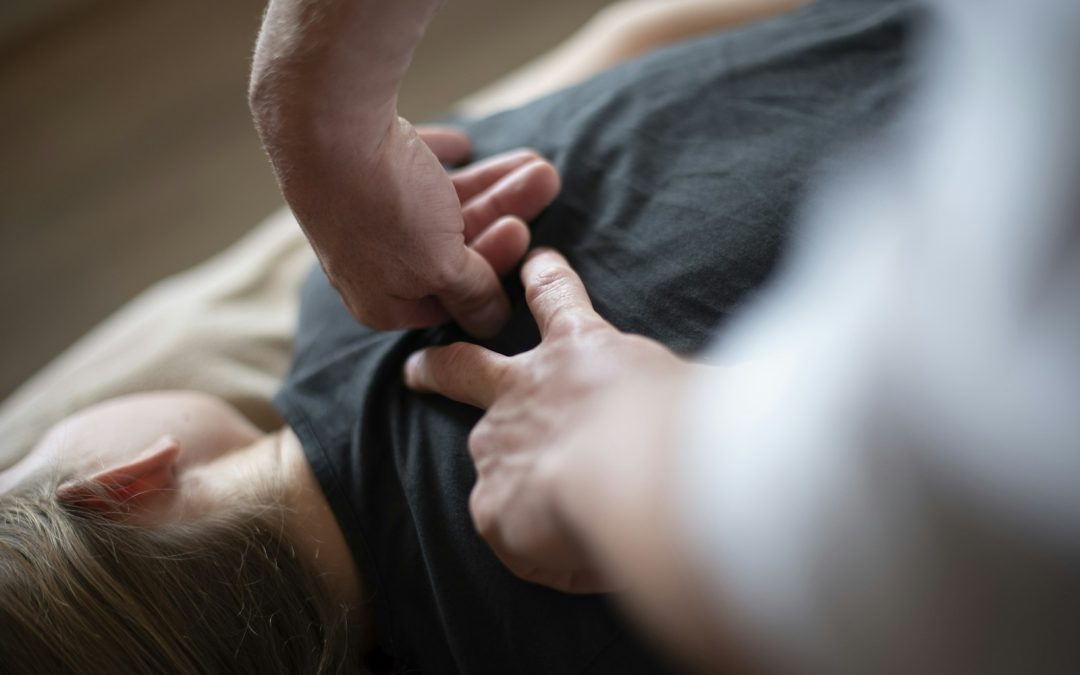
A visceral-focused osteopathy session looks different from a typical deep-tissue massage. Your practitioner will usually start with a conversation about your digestive history, past surgeries, and any patterns you’ve noticed, followed by gentle, hands-on assessment of the abdomen and surrounding structures. Treatment itself is slow and light in pressure — osteopaths are feeling for subtle restrictions in tissue mobility rather than working muscles hard. Most people find it comfortable, even relaxing, and it’s common to also address related areas like the diaphragm, low back, or hips, since digestive tension rarely stays perfectly contained. If this sounds like a fit for what you’re dealing with, our team offers dedicated visceral and digestive osteopathy for exactly this kind of concern.
Who This Can Help — and When to See a Doctor First
People dealing with bloating, mild cramping, a history of abdominal surgery, or digestive symptoms that flare with stress are often good candidates for this approach. That said, new or changing digestive symptoms should always be assessed by a physician first, especially if they come with unexplained weight loss, blood in stool, persistent severe pain, or fever — osteopathy is a complement to medical care, not a substitute for ruling out underlying conditions. Once anything serious has been ruled out, manual therapy can be a useful part of an ongoing plan, alongside diet, stress management, and any treatment your doctor recommends.
If your digestion has felt off and you’re curious whether hands-on treatment could help, you can book a session with our team to find out.