
back pain touches most adults at some point — here’s what current research says about manual osteopathy as a gentle, evidence-based option.
Why Low Back Pain Sticks Around
If you’ve dealt with a cranky low back, you know it rarely announces itself dramatically. More often it’s a dull ache that shows up after a long car ride, a weekend of yard work, or simply too many hours hunched over a desk. For most people, low back pain isn’t caused by a single dramatic injury — it’s the slow accumulation of tension, restricted movement, and postural habits that build up over weeks or months.
That’s part of why it’s so common: low back pain is one of the leading reasons adults miss work or see a healthcare provider, and for many people it becomes a recurring visitor rather than a one-time event. The good news is that most low back pain is “non-specific,” meaning it isn’t linked to a serious underlying condition, and it tends to respond well to hands-on, movement-based approaches.
What the Research Actually Shows
Manual osteopathy has been studied fairly extensively for low back pain, and the evidence is encouraging, if appropriately measured. Systematic reviews and meta-analyses looking at osteopathic manipulative treatment for chronic non-specific low back pain have found real improvements in both pain levels and functional status compared to no treatment or usual care. Within osteopathic approaches, techniques like myofascial release have shown moderate-quality evidence for reducing pain, while broader osteopathic manipulative treatment has shown more modest but still positive effects.
One of the most consistent findings across recent reviews is safety: researchers have reported no serious adverse events and only a very low rate of minor, temporary effects such as short-term soreness. Some of the benefit likely comes from the hands-on attention and individualized assessment itself, not just the specific technique used — which is a common and well-documented feature of manual therapies in general. Researchers are still calling for larger, higher-quality trials, but the existing body of evidence supports osteopathy as a reasonable, low-risk option worth considering as part of a broader care plan.
What Actually Happens in a Session
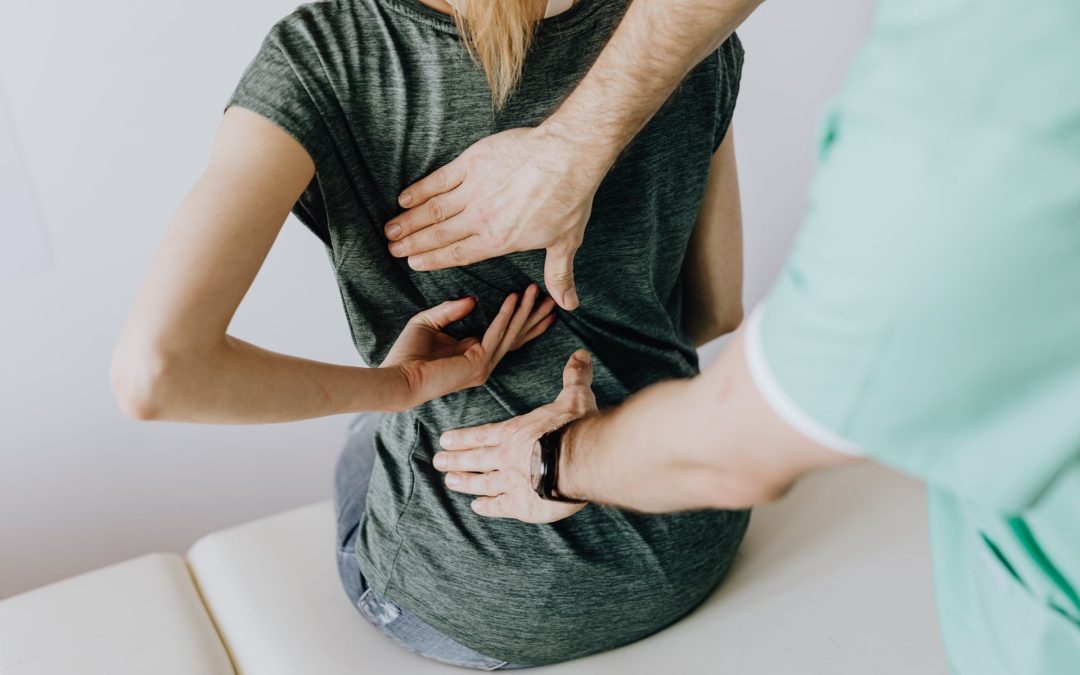
A first osteopathic visit for low back pain typically starts with a conversation, not a treatment table. Your osteopath will ask about how the pain started, what makes it better or worse, your activity level, and any past injuries. From there, they’ll assess your posture, movement patterns, and areas of restriction — often looking beyond the low back itself, since tension in the hips, pelvis, or even the diaphragm can influence how the lower back feels and moves.
Treatment itself is gentle. Manual osteopathy relies on soft-tissue techniques, rhythmic mobilization, and light pressure to release restriction, rather than the higher-velocity adjustments associated with chiropractic care. You’ll stay fully clothed throughout, and most people describe the experience as relaxing rather than intense. Some notice relief within a day or two; for others, it takes a short series of visits to see a meaningful shift, particularly if the pattern of tension has built up over a long time.
Who Tends to Notice the Biggest Difference
Osteopathy tends to be most helpful for people whose low back pain is tied to posture, repetitive strain, or general muscular tension rather than a specific structural diagnosis — think desk workers, new parents carrying and bending constantly, or anyone whose pain flares with stress and eases with movement. Because osteopathic assessment looks at the whole body rather than isolating the lower back, it can also be a good fit for people who’ve tried spot-treating the area without lasting results.
That said, osteopathy isn’t meant to replace medical evaluation, especially if pain follows a specific injury, comes with numbness or weakness down a leg, or doesn’t improve over several weeks. In those cases, it works well alongside — not instead of — care from a physician or other healthcare provider.
Making It Part of Your Routine
Like most manual therapies, osteopathy tends to work best as part of a broader approach that includes movement, sleep, and stress management rather than as a one-time fix. Many people find that a short series of visits, paired with simple adjustments to how they sit, lift, or move through the day, offers more lasting relief than either approach on its own.
If low back pain has become a familiar (and unwelcome) part of your week, our back and neck pain osteopathy program is built specifically around cases like yours — combining hands-on assessment with practical strategies you can use between visits.
Ready to find out what’s actually driving your back pain, rather than just managing the symptom? Book a session with our team and let’s get you moving more freely.