
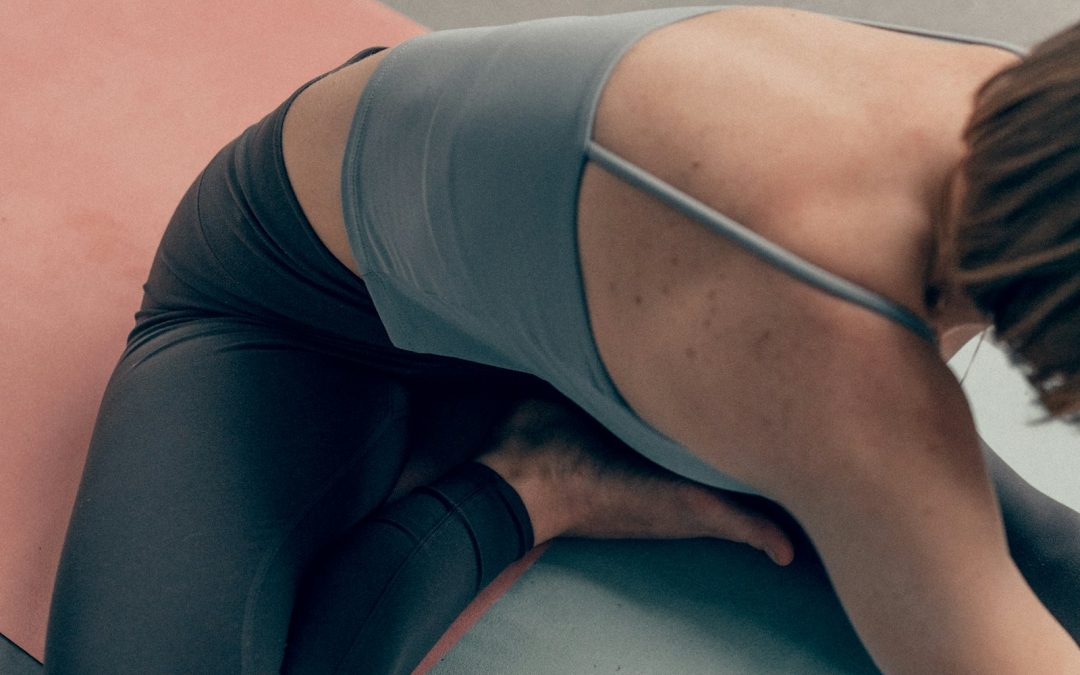
Pain that starts in the buttock and runs down the leg is easy to label as “sciatica” – but not every case is the same. Here is how sciatica and piriformis syndrome differ, and what can help.
What people usually mean by sciatica
Sciatica is not a diagnosis on its own. It describes pain, tingling or numbness that travels along the path of the sciatic nerve, from the low back or buttock down the back of the leg. Most often it is linked to irritation of a nerve root in the lower spine, for example from a disc bulge or from narrowing where the nerve exits. It tends to be felt on one side, and it can be aggravated by sitting, coughing, or bending forward.
The reassuring part: for many people, sciatica settles over weeks to a few months, and current guidelines generally favour staying active and using conservative, non-surgical care first.
Where piriformis syndrome fits in
The piriformis is a small muscle deep in the buttock that helps rotate the hip. When it is tight, overworked or irritated, it may press on or near the sciatic nerve and produce similar symptoms. It is discussed often online, but it is harder to confirm than a spinal cause, and researchers still debate how common it is. That is why a hands-on assessment matters more than a guess from a search result.
Some general clues that can help a clinician sort things out:
- More spine-driven: symptoms change with back movements, bending forward, coughing or sneezing, and may come with tingling or numbness below the knee.
- More hip- and buttock-driven: pain is centred deep in the buttock, and is aggravated by prolonged sitting, hip rotation, or activities such as running and climbing stairs.
These are patterns, not rules – the two can overlap, and other hip and pelvic joint problems can look similar.
Everyday habits often play a role in either case. Long hours at a desk or in a car keep the hips flexed and the deep buttock muscles under sustained load, while a sudden jump in running or lifting can overload the same area. Looking at your routine, footwear, workstation and training plan is part of a thorough assessment, because addressing the trigger is often what keeps symptoms from returning.
It is also worth knowing that imaging findings do not always match symptoms. Many people with no pain at all have disc bulges on a scan, so treatment decisions are best guided by how you move, what provokes your symptoms, and how you respond to care over time, rather than by a picture alone.
How manual osteopathy approaches leg and buttock pain
A manual osteopath looks at how the low back, pelvis, hips and surrounding tissues are moving together, rather than only at the spot that hurts. Treatment may include gentle joint mobilization, soft-tissue techniques, and guidance on movement and positioning. Research on manual therapy and osteopathic treatment for low back pain suggests modest short-term benefits for pain and function, particularly as part of a broader plan that includes staying active. Our osteopathic care for back and neck pain is built around this whole-body approach, and you can meet Lauren White, our manual osteopath, to learn more about her style of care.
Your osteopath may also suggest a graded return to the activities you enjoy, along with a few targeted exercises for hip and trunk strength. The goal is not only to calm the current flare-up, but to help you move with more confidence so that a walk, a workout or a long drive feels manageable again.
Simple things to try while you wait for an appointment
- Keep moving with short, gentle walks rather than prolonged bed rest.
- Change position often if sitting aggravates the pain, and avoid holding one posture for long stretches.
- Try gentle, pain-free movement and stretching, and stop anything that sends symptoms further down the leg.
- Heat can ease muscle tension for some people.
When to get checked promptly
Seek urgent medical care if you notice new loss of bladder or bowel control, numbness in the groin or inner thighs, rapidly worsening leg weakness, or severe pain after a fall or injury. Persistent symptoms that are not improving after a few weeks are also worth having assessed.
If leg or buttock pain is getting in the way of your work, training or sleep, we would be glad to help you figure out what is driving it. Book a session with us online and we will build a plan around you.
This article is for general education and is not a substitute for personalized medical advice.